Everyone Deserves Quality Water
Some wells were closed to save homes, save money, and make sure everyone in Langley enjoys the same quality of water.
When Council made the unanimous decision to shut down Fort Langley Well No 2, it did so feeling that, no matter where utilities residents live in Langley, all deserve clean, high-quality drinking water. For most of us on Council, that belief hasn't changed.
a six-to-seven minute read
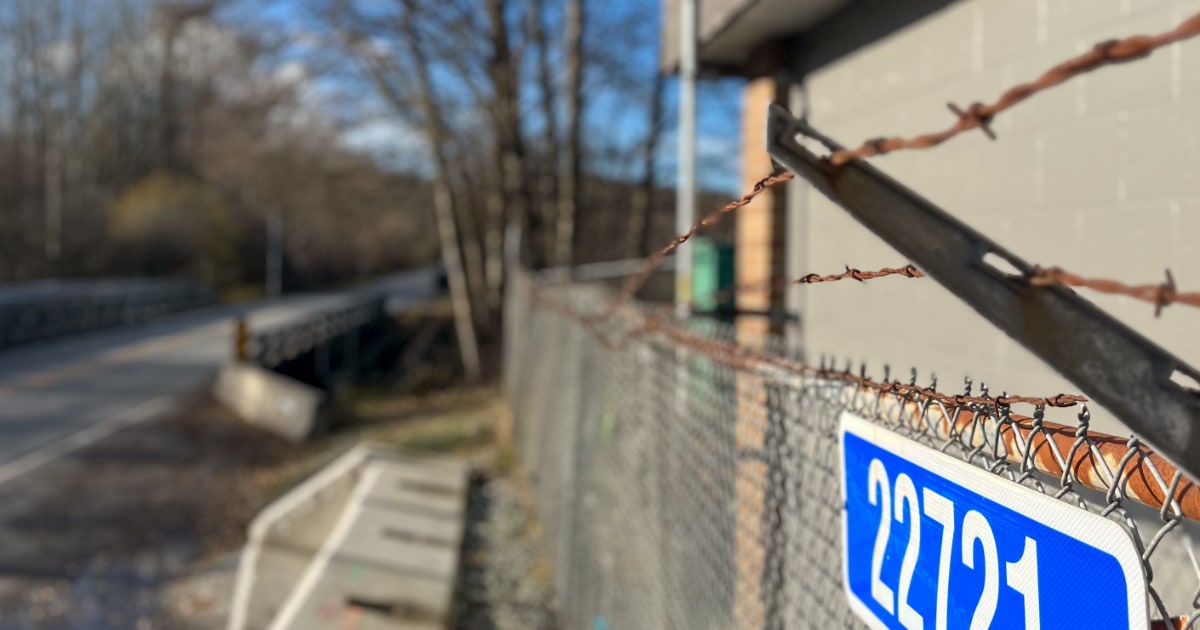
The building that enclosed Fort Langley's Well #2 on 88 Avenue next to the Salmon River before it was removed in 2024, looking west to Walnut Grove.
KEY TAKEAWAYS
- The issues with water quality in Brookswood, Murrayville, and especially Fort Langley, went on and on for years, with no guarantee of a solution other than to close them.
- Finalizing the closure of the Murrayville and Brookswood wells saved ratepayers millions in speculative capital expenditure, now being put towards critical reservoir replacements.
- Emergency resilience is provided by backup connections to Abbotsford and the municipal wells and treatment continuing in Aldergrove.
On November 14th, 2022, at our first Council meeting after the election, Council unanimously endorsed permanently closing the aging wells in Fort Langley, Murrayville, and Brookswood. Council also voted to cease the construction of water treatment facilities in order to permanently address chronic issues that had no guaranteed end in sight.
Fixing these water issues ongoing for almost a decade was a clear, unequivocal campaign promise made to thousands of residents in Brookswood, Murrayville, and especially in Walnut Grove and Fort Langley. The Contract with Langley group was clear about their intentions, and it was one of the few overt promises I also made. I knew I’d be limited in what I could promise as an independent candidate. However, I committed that, if I was elected, I too would vote to shut down Fort Langley Well No 2.
This was in part because people living in Fort Langley were unable to get flood insurance coverage on their homes due to the corrosiveness of the water being supplied to their homes from the Fort Langley well. Hot water tanks were failing, appliances were being damaged, people could taste the poorer quality water, and the aquifer itself was vulnerable to overconsumption.
2021 Annual Water Quality Report
Annual Report 25 pages 06/2021
What became apparent soon after the election was that it wasn’t only Fort Langley’s well that was an issue. If we decided to turn on the Brookswood and Murrayville wells that had been turned off in 2019, thousands of residents were going to either be supplied with brown, murky water, water from aquifers that have elevated nitrates and are significant risk of contamination, or water that contained manganese at levels above the Health Canada guidelines. Further, this water would be supplied from aquifers that were vulnerable to over-consumption due to the urbanizing areas of Langley using the scarce groundwater that the Township’s rural residents and agricultural industries rely on.
The only way around this was to spend millions on multiple localized water treatment plants ourselves, replicating a process that Metro Vancouver and the Abbotsford-Mission Water District do already. Or, we could simply decommission these wells and provide people with the same high-quality drinking water that almost every other urban resident across Metro Vancouver receives.
If the Township was going to continue pumping groundwater into tens of thousands of people’s homes, the Township would need to build multiple, new water treatment plants. These plants would have large capital costs and ongoing operational costs, paid directly through the water utility of fewer households, with no way guarantee it would solve the problem, then requiring more expenditure and additional infrastructure to maintain, unnecessarily. Through our new metered water utility program, however, we have a new mechanism to reduce costs to users as the system is fine-tuned. After some discussion, Council unanimously voted in November of 2022 that the right thing to do was to decommission Fort Langley Well No 2 and not attempt to restore the Brookswood and Murrayville wells, just as the community had voted for.
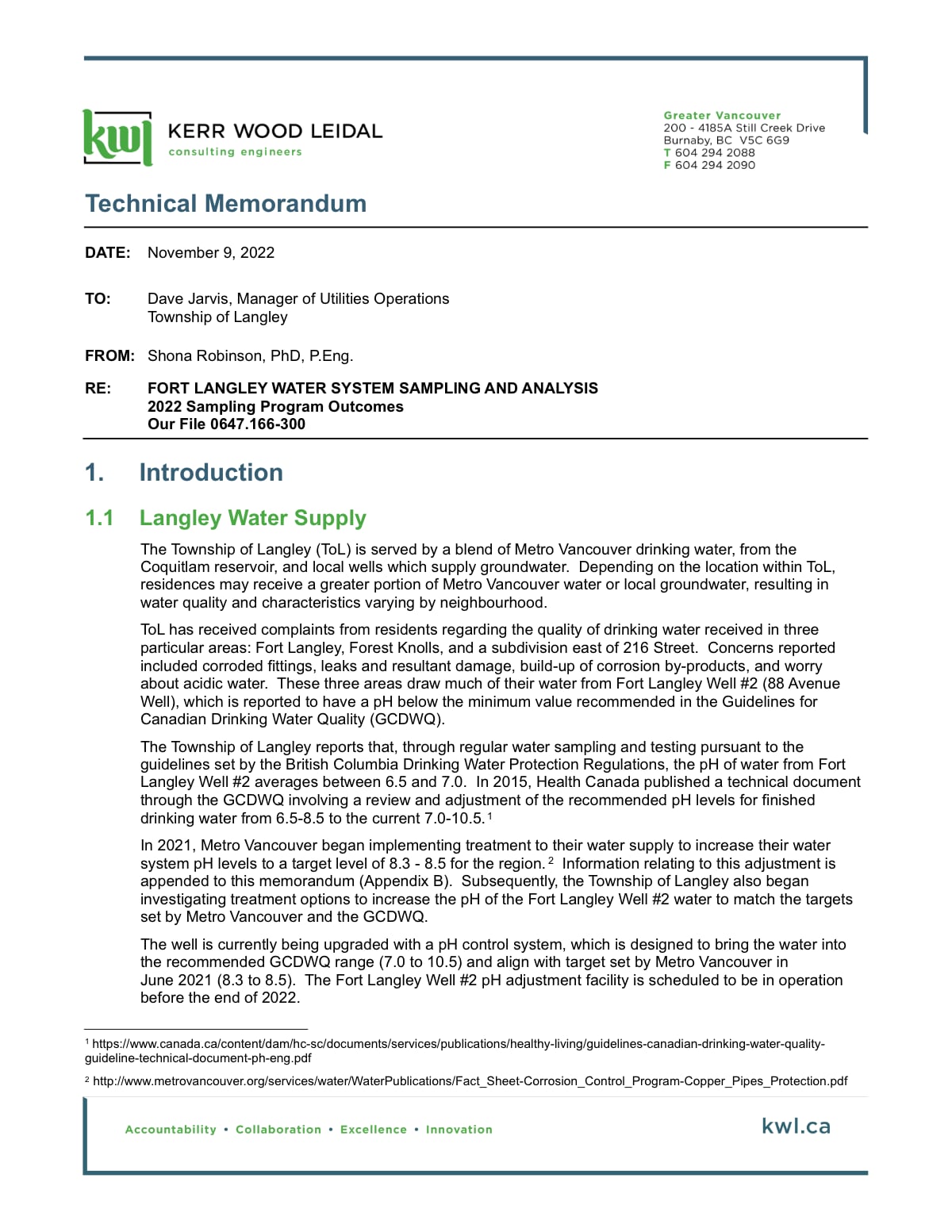
Fort Langley Water System Sampling
Technical Memo 09/11/2022 20 pagesIn order to bring the Brookswood and Murrayville wells back online, three water treatment plants would have to be built and outfitted with the technology required to fix the issues of sending brown water into people’s homes across Brookswood and Murrayville and to reduce the level of Manganese in the water going into homes supplied by the Brookswood wells to a safe level, as determined by Health Canada’s Maximum Acceptable Concentration (MAC). These were proposed to cost $6M in 2020, and the operational costs would have been over $300,000 a year, forever. If we were to now decide to re-drill wells in Fort Langley and Brookswood and construct water treatment facilities for each, the cost would be far higher, perhaps $20M+.
The Provincial Water Sustainability Act and the Groundwater Protection Regulation (GWPR) require that wells be drilled away from potential contamination sources, which include water bodies that can act as pathways for contaminants, such as runoff from a dairy farm immediately adjacent to the Salmon River that Fort Langley Well No 2 was drilled a few feet from. There are concerns regarding the long-term impact of wells drilled too close to rivers and creeks, both in terms of potentially reducing those watercourses’ water levels and even altering the flow of water, which was a concern based on the proximity of the former Fort Langley well to the Fraser River. If we were to realistically look at redrilling a new well in Fort Langley that would draw from the same vulnerable aquifer as the previous one, we would have to acquire a new site, driving up the costs even more.
The decision to decommission the Fort Langley, Brookswood, and Murrayville wells does not put us out of step with other Lower Mainland jurisdictions that still have some reliance on groundwater to supply their communities. Delta supplies water to over 100,000 people and has 3 municipal wells that supply only 3% of its water; the rest is from Metro Vancouver.
Abbotsford shares a water supply network with Mission, which in total supplies about 160,000 people, the same as the Township’s population. Abbotsford supplies approximately only 5% of its municipal water from its 15 wells. When the decision was made to temporarily shut down the Brookswood and Murrayville wells due to the discolouration of the water being supplied to people’s homes, approximately 30% of the Township’s water was being supplied by groundwater pumped from wells.
By 2024, a year after the Fort Langley Well #2 was fully decommissioned, and with the 5 Brookswood and Murrayville wells also decommissioned, only 8% of the municipal water supply was from groundwater sources. We still supply more of our residents with groundwater than other Metro Vancouver jurisdictions, despite the decommissioning of the aforementioned wells.
The vulnerability of the aquifers is a key concern. According to Provincial records, the Brookswood and Fort Langley aquifers are identified as Highly Vulnerable. In Brookswood, long-term land use plans indicate that at least 40,000 more residents will move into the area over the coming years. In Willoughby, which was partially supplied by the Fort Langley well, there are anywhere from 30,000 to 50,000 more residents likely to call that community home moving forward. Continuing to rely on 30% of our municipal water being supplied by vulnerable aquifers that are also supposed to supply the over 7,000 private wells that support our agricultural industries and thousands of rural residents would simply not be a responsible or sustainable policy.
Another key factor is that as a member of Metro Vancouver’s water district, Township residents benefit from massive efficiencies in terms of resources that can be spent on emergency preparedness, system redundancy, and overall supply. Providing all of our urban residents with water using Metro Vancouver’s water system, in conjunction with a metered water utility program, makes sense in light of the Regional District’s $2 billion plan to make its water transmission mains seismically resilient, and a further $435M on other seismic resiliency measures such as the Clayton Langley Water Main No 2. It also makes sense considering the fact that Metro Vancouver has plans to provide more than enough water to the region all the way out to the year 2120.
Water Supply Outlook 2120
Report 15/09/2019 1 pages
The costs of building this infrastructure will be shared across the region through Metro Vancouver’s three different methods of paying for large capital projects: pay-as-you-go, long-term debt financing, and increasingly, growth paying for growth.
Metro Vancouver's own findings indicate the system is highly resilient to future climate change, with adaptability built in. But emergency preparedness and redundancy matter, which is why the Township is also connected to Abbotsford-Mission's water district, a system the Province invested over $60M in to respond to climate-related disasters. So, we're not just part of one regional network; we're connected to two, each with their own resiliency measures. Beyond that, the Township maintains a Potable Water Emergency Response Plan with clear roles and responsibilities for emergencies at every scale, including the ability to activate an Emergency Operations Centre, water hauling protocols, and pre-established incident command structures.
Furthermore, our 8 remaining municipal wells provide backup supply if regional sources are disrupted, and the Township maintains a formal liaison role with Metro Vancouver to ensure coordinated response when emergencies touch the regional system. The over 7,000 private wells across the Township are not part of our municipal distribution system, but they remain a meaningful resource for rural residents and the agricultural community if needed.
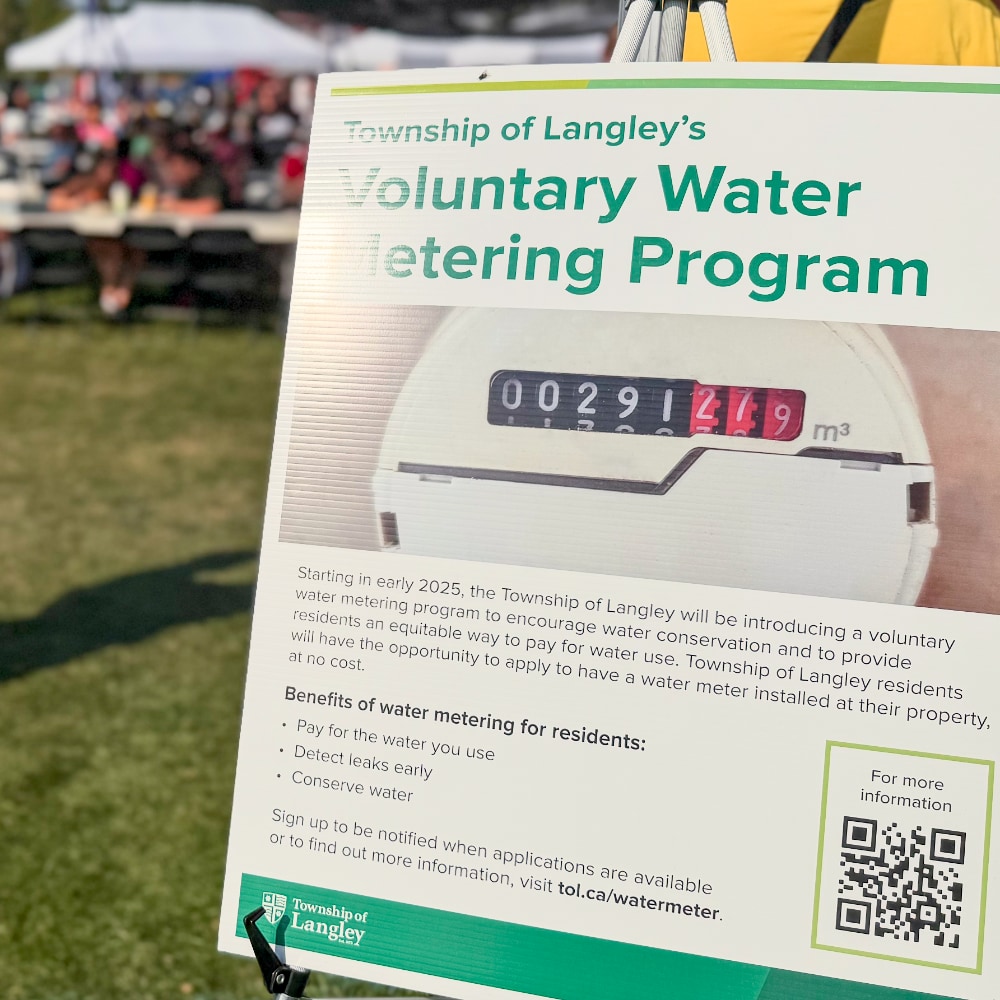
For those worried about the costs of shifting from 70% to 92% of our water coming from Metro Vancouver, there is good news. The utility rate reduction Council approved earlier this month has brought annual water costs for townhome and apartment residents almost back to 2023 levels. Further relief for single-family homeowners is coming as we continue to fine-tune the water metering program this Council introduced, decades after other Metro Vancouver municipalities have done the same.
2024 Annual Water Quality Report
Annual Report 112 pages 06/2025
Metering helps homeowners save money by paying only for what they use, and helps us identify and repair leaks, driving down collective costs across the system. The numbers back this up: in 2019, before the Brookswood and Murrayville wells even went offline, projections had us spending $16,625,344 on Metro Vancouver water by 2023. The reality is that even after all three well systems were decommissioned, our 2025 Regional Charges came in at $16,148,867, below the projection. And we have begun using the tools that water metering provides to reduce the actual cost borne by Township households. Meaningful progress on ensuring affordability of our utilities for the long-term is underway, with even more to come.
We can, and will, continue to make improvements in our municipal systems to ensure that every single Township resident who gets their water from our municipal system is provided with the world’s best water. We can, and will, fine-tune our water metering program so that this pristine water is delivered to all residents affordably. We can, and will, continue to work on our Water Sustainability Plan as required by the Province to ensure we have a long-term outlook for water provision. And of course, we will continue to work with Langley’s First Responders and our senior staff to ensure that potable water is available in case of emergency.
While the issue is complex, the unanimous decision made in November of 2022 was based on a simple premise: all residents deserve the same quality water. Period.
documents and council reports
2024 Annual Water Quality Report
Annual Report 112 pages 06/2025
Fort Langley Water System Sampling
Technical Memo 09/11/2022 20 pages
2021 Annual Water Quality Report
Annual Report 25 pages 06/2021
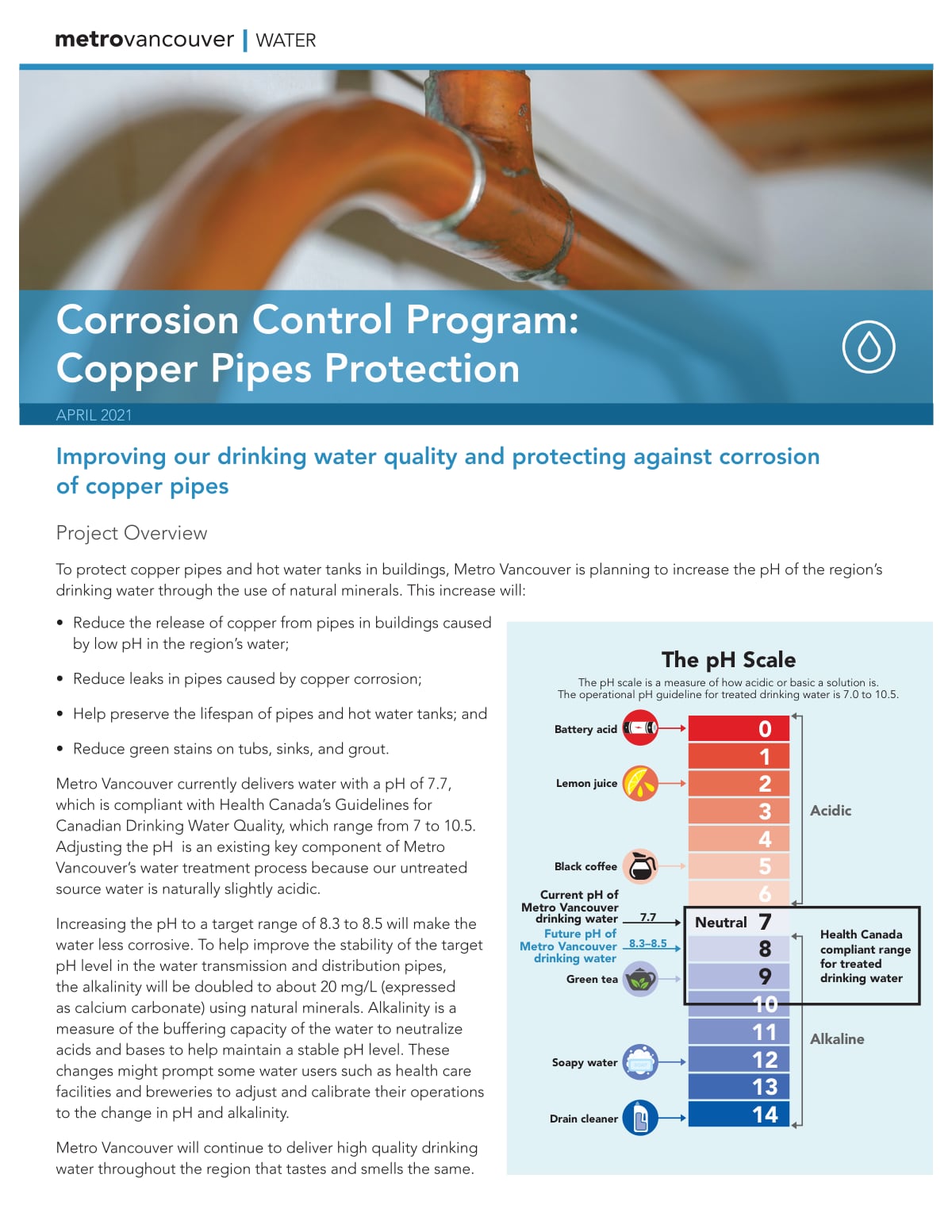
Metro Vancouver Corrosion Control Program
Fact Sheet 15/04/2021 2 pages
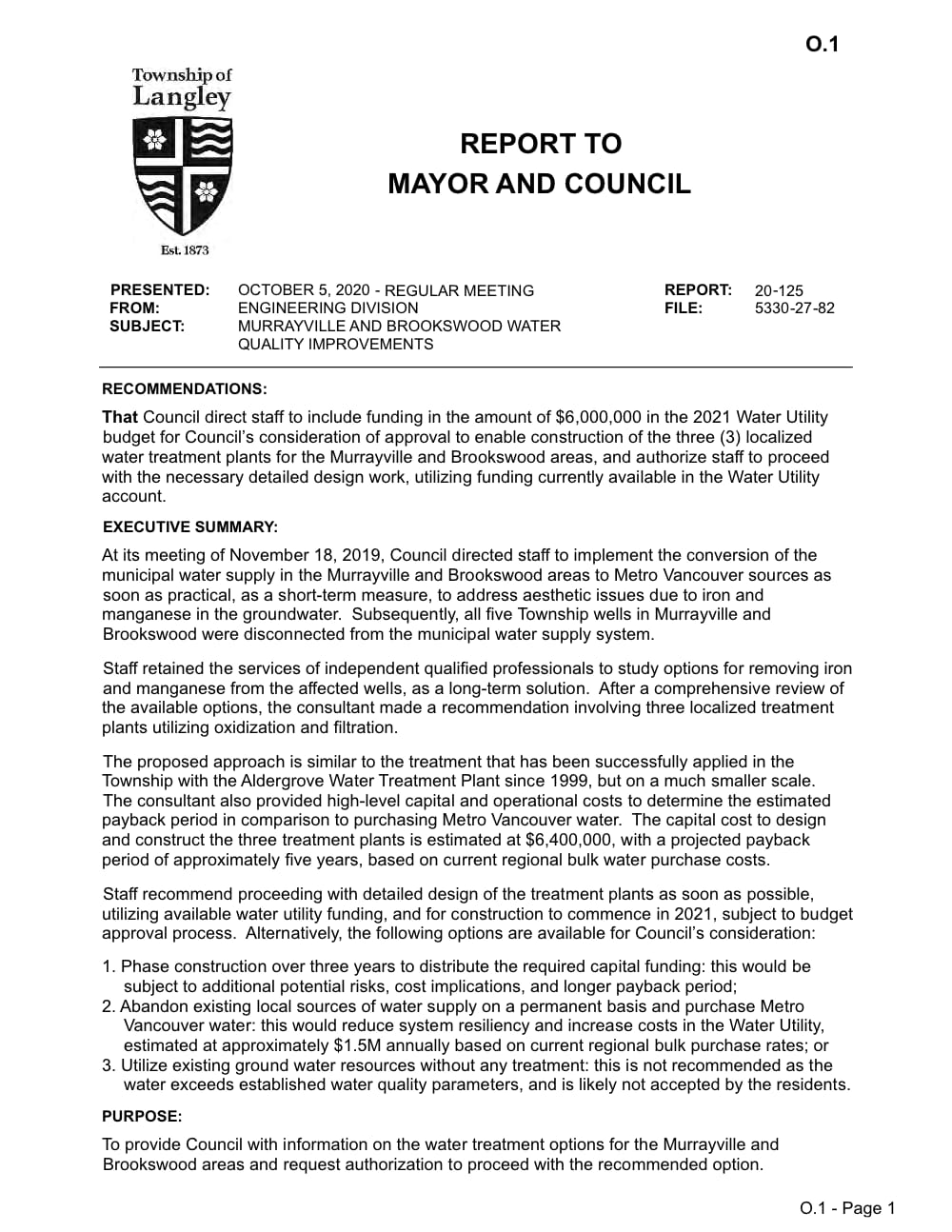
Murrayville Water Quality Improvements
05/10/2020 73 pages
2020 Annual Water Quality Report
Annual Report 88 pages 06/2020
Water Supply Outlook 2120
Report 15/09/2019 1 pages
articles
Historic Water and Sewer Reductions for Apartments and Townhouses
February 18th, 2026 article